Since my last article for LoveWine I’ve received lots of questions and requests for information from readers, such as “What are you talking about?” “Why would you drink that?” “Aren’t your family ashamed?” and of course the fan-favourite “How did you get behind the bar?”
As such I decided to put out another article on less well-known wine making techniques, and this one I’m fit to burst with excitement about (this hilarious joke will make more sense at the end of this article, when it’ll be high fives all round).
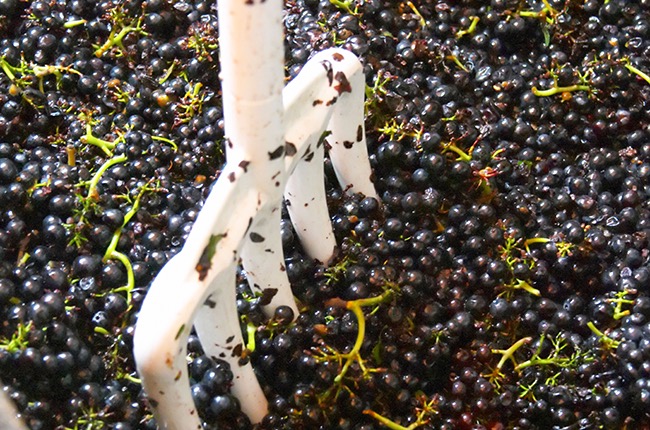
This time I’d like to talk to you about Carbonic Maceration. If you’ve ever had a very light bodied red wine, that was super fruity and had little to no tannin (the thing in red wine that makes you mouth dry) then you’ve probably already experienced this extremely cool way of making wine.
When red wine is produced in a more “traditional” way, red grapes are pressed and the pressed juice sits on the skins to extract colour and tannins. Tannins live in the skins (and stems and seeds) so the longer it sits, the more “tannic” a wine is.
Carbonic Maceration is used to avoid the extraction of tannins to keep the wine light and fruit forward.
Essentially, you take your red grapes, you put them in a sealable vessel with no added yeast, remove all the air and replace with carbon dioxide. Due to the lack of oxygen the grapes then start to ferment from the inside until eventually they burst and juices are released. As the fermentation begins in the grape, it’s not touching the outside of the grape, so the juice can be drained and fermentation completed without extracting tannins.

This method is now starting to be used with white grapes also, as it’s found to be bring down acidity levels in grapes which winemakers struggle to balance normally.
Traditionally, Beaujolais is made using carbonic maceration, to preserve the fruit flavour of the Gamay grape (as we’ll all see on November 16th for Beaujolais Nouveau Day) but it’s not only place its used, we’ve picked 3 wines which demonstrate method in different ways.
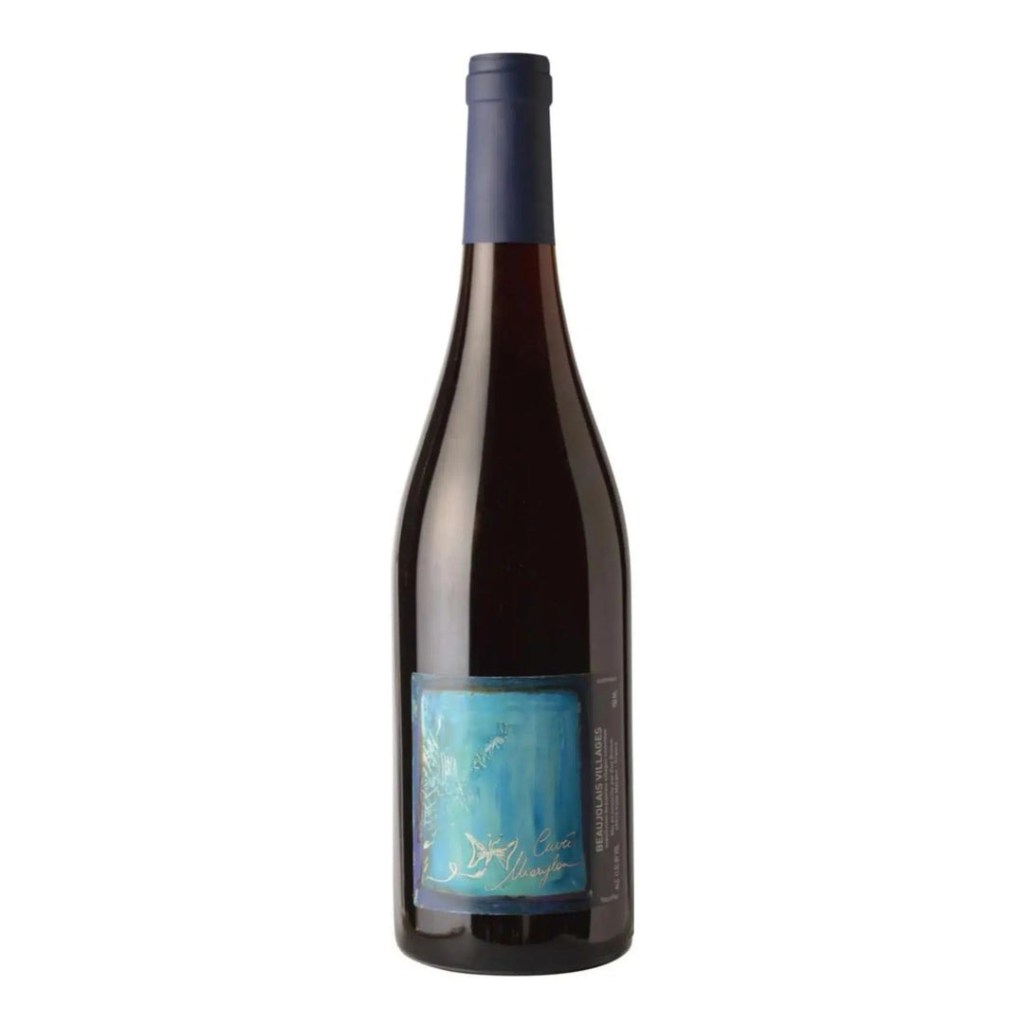
Beaujolais Mary Lou 2021 – Guy Breton
One of the “Gang of Four” (Breton, Jean Foillard, Jean-Paul Thevenet and Marcel Lapierre) credited with starting the natural wine movement around the village of Villié-Morgon in the 1980s, Guy Breton is rightly considered one of the most important Beaujolais producers in recent history.
This wine is fruity and light, perfect slightly chilled, gives big ripe red fruit (cherries, raspberries and strawberries), great with some fish or poultry, or just sat with the sun on your face pretending to be in a small French village instead of thinking about work tomorrow.
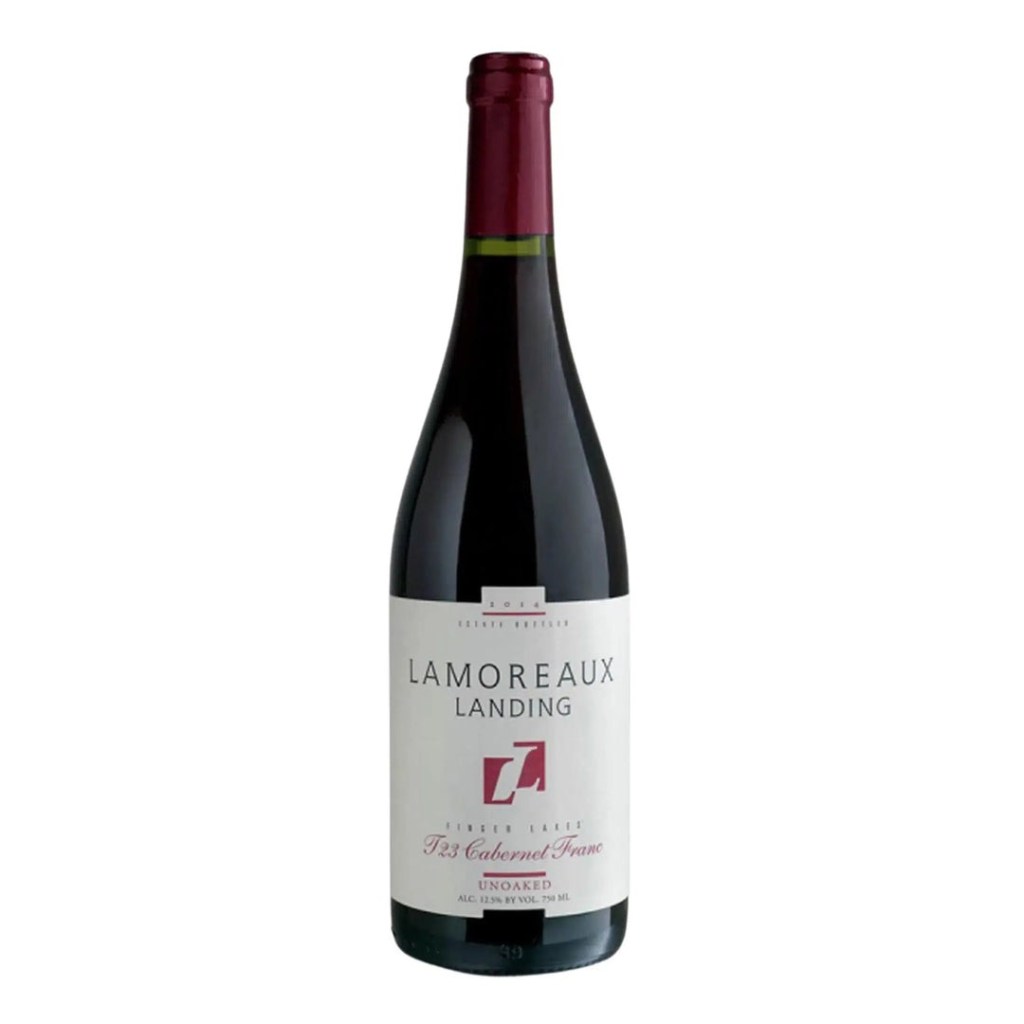
Unoaked Cabernet Franc – Lamoreaux Landing
This wine is made with 100% carbonic maceration, and then fermented in stainless steel tanks to preserve the pure fruit flavours.
Strong with black cherry, its fruit forward and not shy! A different animal all together from those big bodied full cab francs you’ve had elsewhere!
Sur le Fil Ventoux – Thomas Julien
This Grenache / Syrah blend is a cool one! 40% carbonic maceration, 40% concrete tank maceration, 20% direct press. 6 months ageing in concrete.
The mix of fermentation techniques gives this a clean fruit forward palate, best served a little chilled, and with some crispy duck and pancakes!
TIP – Don’t chill these down too much, they’re not a Gruner! 20mins in the fridge after opening will give you the chill you need. Or don’t, it’s your wine!
(That said if I catch wind of any of you putting ice cubes in it I’ll report you to the Wine Hipsters Union)





 The Food Wanker
Leave a comment